Accelerate your Japanese studies with this free, professional, and structured learning PDF. Designed for clear offline study and printable reference.
Have a look inside this study guide. Every page is structured for clean reading and maximum visual focus.
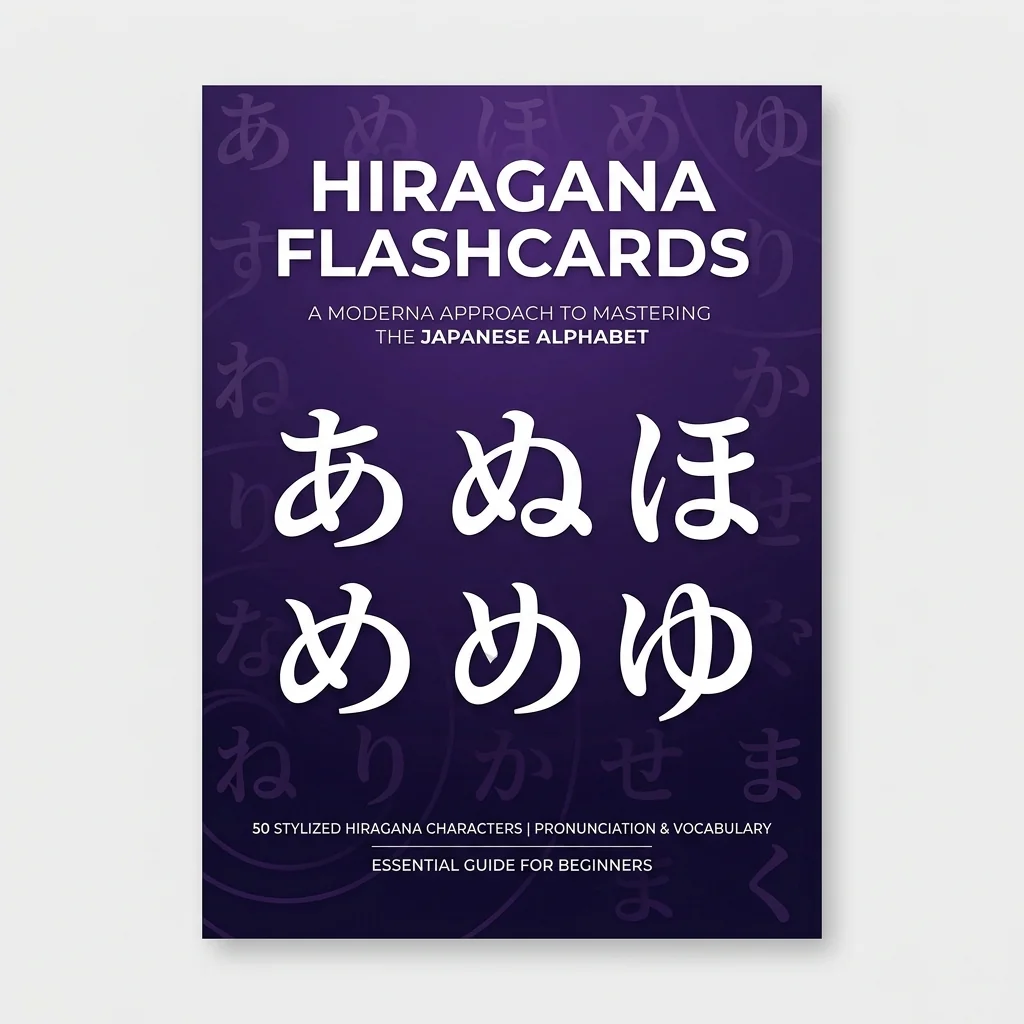
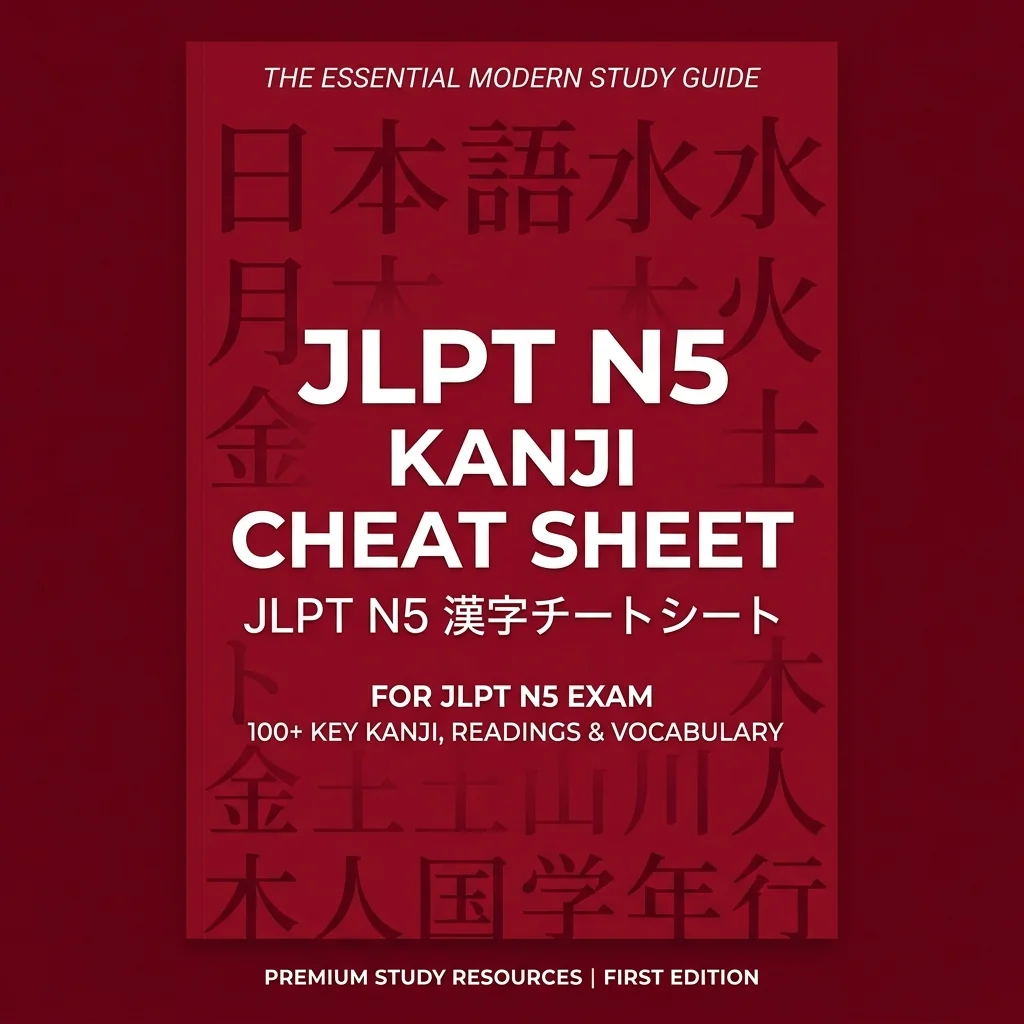
Minimalist Japanese-inspired cover page with clear guide metadata.
Structured study items complete with meanings, readings, and example sentences.
Tracing practice worksheets, review tables, and checklists included.
Mastering the kanji is one of the most critical milestones for any student beginning their Japanese language learning journey. For the JLPT N5 exam, the absolute entry point of the Japanese Language Proficiency Test, you are required to know approximately 100 essential kanji. While this might seem like a small number compared to the thousands of characters used in daily Japanese life, these foundational kanji represent the core building blocks of the entire writing system. Learning them thoroughly forms the bedrock upon which all your future vocabulary, reading comprehension, and grammar skills will be constructed.
Our JLPT N5 Kanji List PDF is a meticulously structured, print-ready educational resource designed to make this initial learning phase as efficient and comprehensive as possible. Instead of merely listing characters and their dictionary definitions, this study guide contextualizes every single kanji. For each character, you will find its official Onyomi (Chinese readings) and Kunyomi (Japanese readings), stroke order guides, English definitions, and multiple high-frequency vocabulary words. Furthermore, every kanji is paired with a natural, real-world example sentence containing spaced hiragana readings (furigana) to build immediate contextual reading skills.
Why is studying kanji in context so important? Rote memorization of isolated characters is notoriously ineffective. When you learn kanji alongside related vocabulary words and natural sentences, your brain builds cognitive connections that significantly improve long-term recall. For instance, learning the kanji for "water" (水 - mizu) is helpful, but learning it in context within sentences like "I drink water" (水を飲みます) and alongside vocabulary like "swimming" (水泳 - suiei) teaches you not just what the character means, but how it actually functions in native communication. This guide is designed exactly to foster that organic learning process.
Additionally, this PDF contains dedicated writing practice sheets. Writing kanji by hand is a proven cognitive method to lock in stroke count and visual memory. The practice grids in this document provide a faint tracing guideline for each character to help you master balance and proportions, followed by empty squares for independent practice. We have also included quick-reference tables and a comprehensive checklist sheet, allowing you to track your study progress character by character. Whether you are self-studying, preparing for the JLPT N5 or JFT-Basic exam, or looking for a structured reference to support your language school classes, this guide is your perfect companion.
Here is what you will find inside the PDF guide to support your learning journey:
This study resource is built with structured sections to target different aspects of your Japanese grammar and vocabulary progress.
Learn all official JLPT N5 kanji characters with correct strokes and meanings.
Master both Chinese-derived and native Japanese readings for every single character.
Study 300+ core vocabulary words associated with the N5 kanji to boost your vocabulary.
See how kanji is used in natural Japanese sentences with detailed English translations.
Perfect your writing proportions with structured tracing boxes and writing practice blocks.
Keep track of your study milestones with check boxes for readings, meanings, and writing.
Designed specifically to address the pain points of beginner and intermediate self-study learners.
No registration or subscription required. Get professional study materials immediately.
Formatted in high-contrast A4 portrait size, perfect for folders, worksheets, or binders.
No robotic translations. Learn real-world conversational Japanese from day one.
Structured clean spacing designed to avoid visual clutter and maximize learning focus.
Whether preparing for tests or building practical speaking skills, this guide fits your study roadmap.
Students aiming to pass the official N5 test with a high score in vocabulary and reading sections.
Independent learners looking for a clear, step-by-step roadmap to start learning Japanese characters.
Individuals preparing for the JFT-Basic exam for specified skilled worker visas in Japan.
Follow these step-by-step methods to get the maximum educational benefit from the materials.
Got questions about using or printing this guide? Check out our quick answers below.
Yes, this PDF resource is 100% free of charge. You can download the complete 56-page A4 document instantly by clicking the download buttons on this page. No registration, email signup, or credit card details are required. Our mission is to make high-quality Japanese educational resources accessible to all learners worldwide.
Absolutely. The PDF is specifically optimized and formatted for printing on standard A4 portrait paper. It features high-resolution vector text and icons, clean margins, and high-contrast styling, ensuring it prints beautifully in both color and black-and-white. It's perfect for binders, worksheets, or study folders.
Yes, it is highly suitable. The JFT-Basic exam measures communicative language competence required for daily life in Japan (CEFR A2 level), and its kanji requirement overlaps almost entirely with the JLPT N5 syllabus. Learning these 100+ kanji will build the reading foundation required to pass both exams.
Yes, indeed. Each kanji card displays a stroke count reference, and the document includes 3 dedicated pages of structured writing practice grids. Each row begins with a faint grey character for tracing stroke directions, followed by five empty boxes for independent handwriting practice to build muscle memory.
Unlike basic dictionary listings that only show dry definitions, this guide focuses on context. Every kanji includes three high-frequency vocabulary words and a natural Japanese example sentence with English translations. Learning kanji in sentences helps you understand how words connect grammatically, which standard app lists fail to show.
No, all Japanese readings (Onyomi, Kunyomi, vocabulary, and sentences) are written in authentic Japanese Hiragana and Katakana. However, spaced hiragana readings (furigana) are provided above the kanji to assist beginners. We recommend learning the basic kana systems (Hiragana and Katakana) before starting kanji.
The PDF contains exactly 56 structured pages. This includes a cover and introduction, 44 pages of thematic kanji study cards (3 cards per page, grouped logically by topic), 3 pages of practice grids, 3 pages of quick-reference review tables, 3 pages of progress checklists, and a copyright notice page.
Yes, the PDF is fully digital-friendly. It is saved in a standard vector-text format, which means you can open it in any PDF reader on iOS, Android, macOS, or Windows. You can zoom in without losing image quality, and use it comfortably on a phone, tablet, or laptop while studying on the go.
No registration or account creation is required. You do not need to share your email address, phone number, or join a mailing list. Simply click the primary 'Download PDF' button, and the file will immediately save to your device. We respect learner privacy and believe in frictionless education.
Yes, you are welcome to share this study guide. You can print copies for your classmates or share the link to this official resources landing page so they can download the official version. However, reuploading the PDF file to other websites, reselling it, or redistributing it commercially is strictly prohibited.
Improve your vocabulary, readings, and grammar reference. 100% free with no registration required.
Download PDF© 2026 NihongoDoya. All Rights Reserved. For personal educational use only.
Complement your studies with these free matching guides and worksheets from NihongoDoya.